
For the last two years, organisations have been exploring AI. Pilots have been run, tools have been tested, and boards have been briefed. But now the question has shifted. Not “What can AI do?”, but “What is it actually delivering?”
Because in 2026, potential isn’t enough. Value has to show up in the real work.
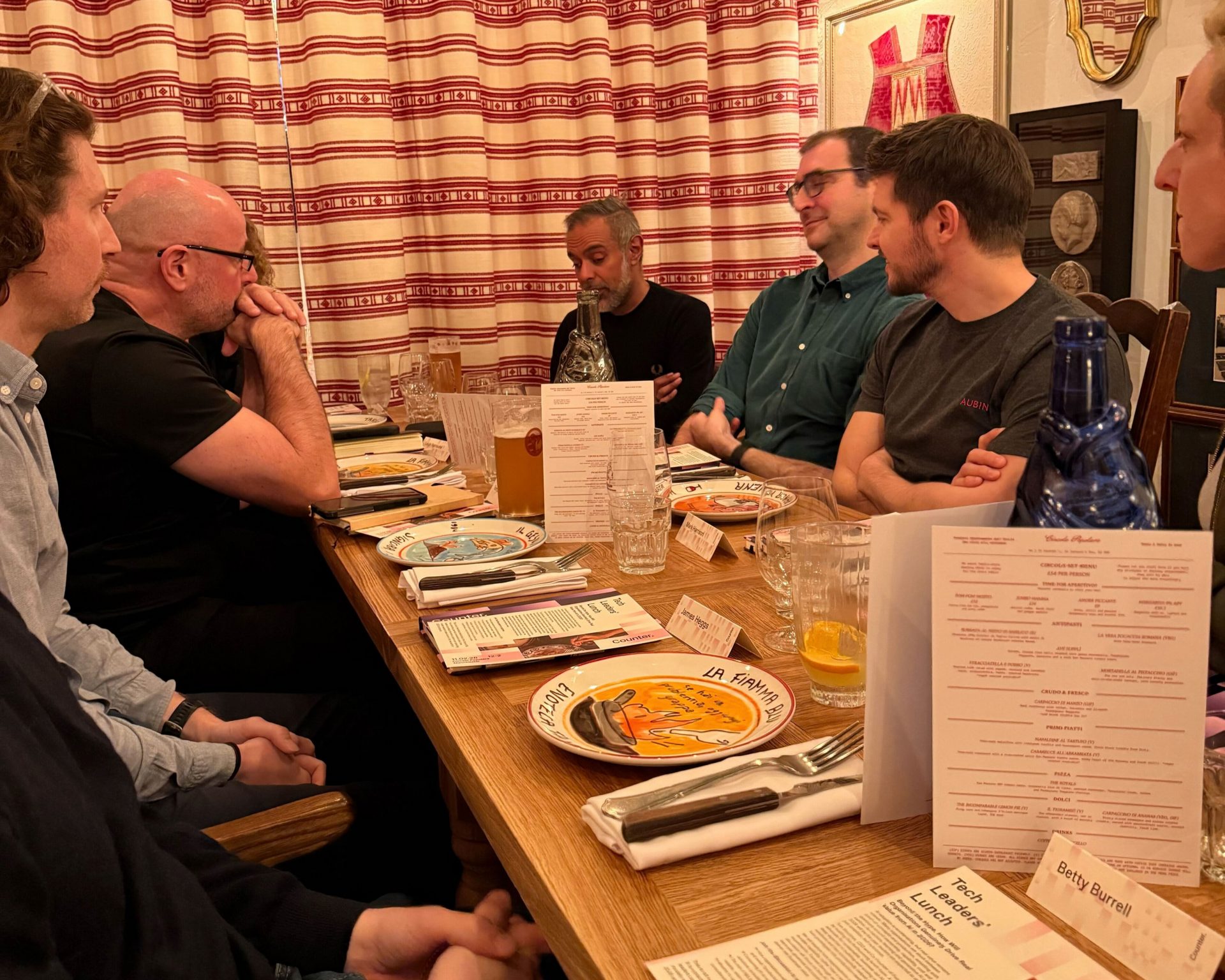
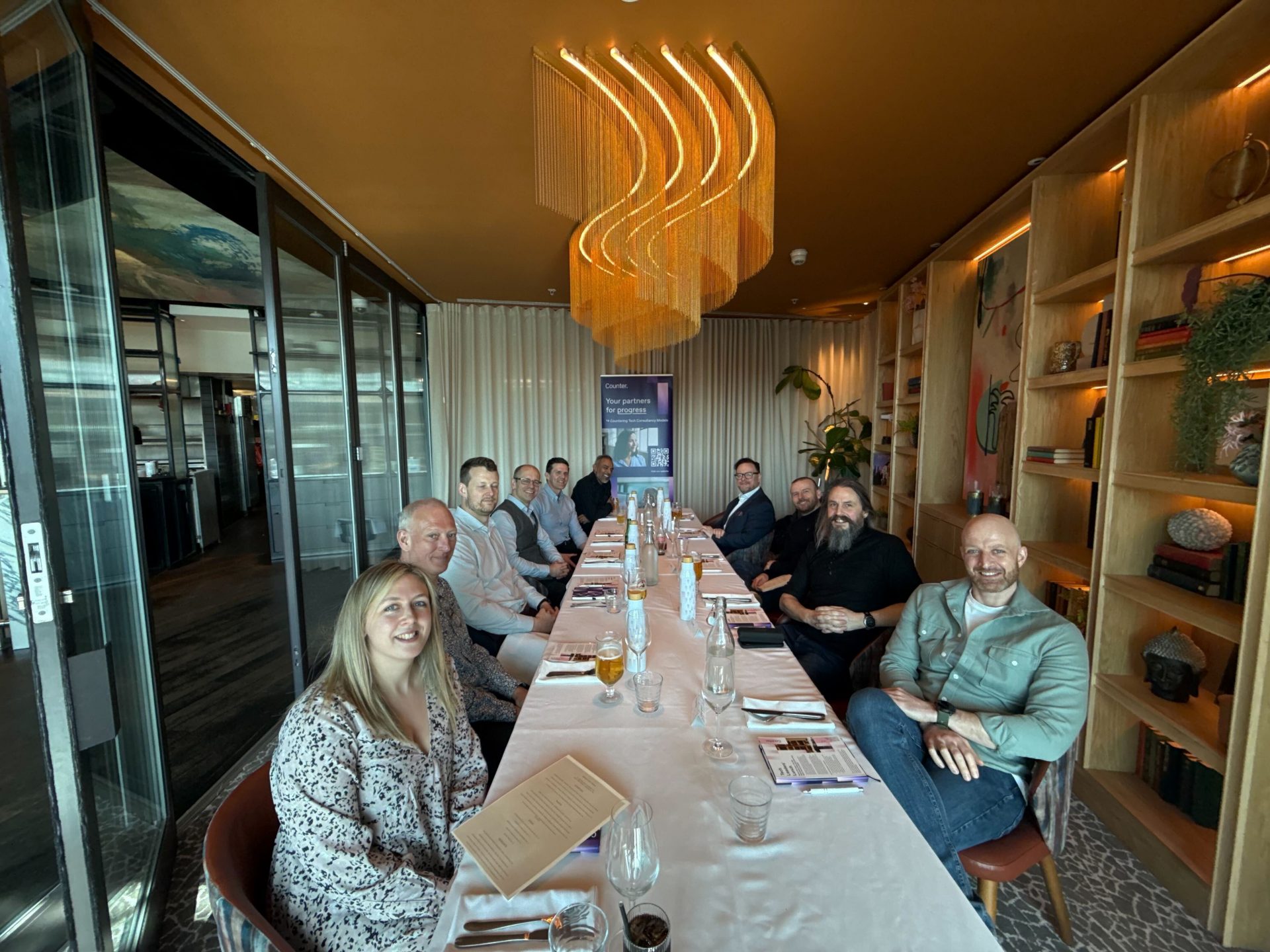
We hosted our inaugural Counter Tech Leaders Lunch in Leeds to find out how leading organisations are making that shift. Moving past AI experimentation and unlocking genuine business impact.
The Exploration to Accountability Transition
The early phase of AI was driven by curiosity. Teams experimented, and leaders invested to keep pace.
But that phase is over.
Now, expectations are different:
- Boards want return, not roadmaps
- Teams are asked to prove impact
- Leaders are accountable for outcomes
This is where many organisations are getting stuck.
They didn’t struggle to start with AI. They’re struggling to make it work.
Overcoming the Value Gap
AI doesn’t fail in the model. It fails in the environment around it.
The same issues appear again and again:
- No clear use case
- Fragmented data
- Lack of ownership
- No integration into real workflows
The result? Experimentation without scale. Activity without outcome.
The key is recognising that AI doesn’t create value in isolation. It only works when it’s embedded into how work actually gets done.
One leader shared a more structured approach. Their organisation used Gemini to run controlled experiments around training and output quality. Instead of assuming improvement, they measured it. Comparing performance before and after training, and validating whether AI was actually improving outcomes.
The result was clarity. Not just that AI could work, but where it created measurable value.
Shifting from Automation to Augmentation
A common mistake is chasing autonomy too early.
“How much can we automate?”
“How far can we remove people?”
But value doesn’t come from removing humans. It comes from amplifying them.
The most effective use cases today are simple. Reducing friction in workflows, structuring and summarising information, supporting better decisions.
Not replacing teams, but making them more effective.
Building Trust and Governance
AI introduces a different kind of risk.
When traditional systems fail, trust erodes slowly. But when AI fails, it collapses quickly. And you don’t get to separate yourself from the output. You own it.
One example highlighted how quickly that risk can surface. A team relying on a Microsoft model saw it suddenly begin rejecting any content containing profanity. Not because of a product decision, but due to a change in the underlying model behaviour.
Without strong observability, this kind of shift is difficult to detect and even harder to diagnose. With it, teams can identify issues early, understand what has changed, and respond before it impacts users.
That’s why governance, oversight and visibility are essential.
The organisations seeing the most progress are starting internally, improving team productivity, reducing operational overhead, and accelerating delivery. These low risk, high impact use cases build confidence to go further.
Evolving Capability, Not Just Headcount
As the role of teams evolves from execution to orchestration, output to judgement, the key isn’t about having fewer people. It’s about having people who can work effectively with AI.
“It’s not about having fewer people. It’s about having people who can work effectively with AI.”
The organisations investing in upskilling are seeing the biggest returns.
Because the real challenge isn’t the technology itself. It’s the pace of change.
Embracing the Pace of Disruption
What used to evolve over months now changes in weeks.
Most organisations simply aren’t designed for that level of acceleration. And that’s where risk creeps in.
The leading teams are the ones treating AI as a system, not just a tool. They’re embedding it into real workflows, building the right capabilities, and maintaining the agility to adapt as things continue to move faster.
Unlocking Real Value
Ultimately, the true advantage in 2026 won’t come from adopting AI.
It will come from knowing where it creates value and building the right systems, workflows and capabilities to maximise that impact.
The organisations doing that are the ones pulling ahead.
As one leader put it: “AI isn’t the differentiator anymore. How you use it is.”